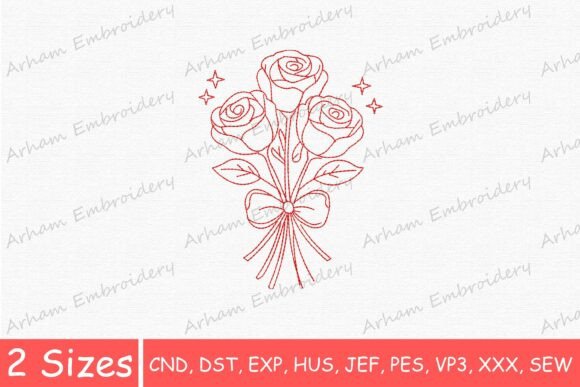
Beautiful Rose Bouquet: Sweatshirt Design Review
As a professional embroidery designer preparing for a limited seasonal drop, I approach every new machine embroidery design with a critical eye. When evaluating the Beautiful Rose Bouquet for our upcoming boutique collection, my primary focus is not just on digital aesthetics, but on how the digitizing translates to physical fabric. For small clothing brands and Etsy sellers, the difference between a generic graphic and a premium handmade product often lies in the technical execution of the stitch file. This review breaks down my assessment of this floral motif specifically for sweatshirt applications, ensuring it meets the standards required for commercial apparel production.
First Impressions and Aesthetic Versatility
The initial appeal of the Beautiful Rose Bouquet lies in its balanced composition. Unlike rigid, geometric florals that can feel dated, this design captures an organic flow that suggests movement and softness. For a Valentine S Day capsule or a spring transition collection, this organic quality is essential. It avoids the overly saccharine look of cartoonish hearts while retaining the romantic elegance promised in the description. From a designer’s perspective, the layout appears centered enough for chest placement yet dynamic enough to work as a back print on oversized hoodies.
When visualizing this on neutral sweatshirts—think oatmeal, heather grey, or unbleached cotton—the design’s inherent contrast potential shines. The bouquet structure allows for tonal stitching, where varying shades of rose, blush, and sage green create depth without relying solely on high-contrast outlines. This subtlety is what elevates a boutique brand above fast fashion. On darker fabrics like navy or charcoal, the design demands careful thread selection to prevent the "muddy" look that plagues poorly planned dark-garment embroidery. However, if the digitizer has included adequate underlay and highlight stitches, this bouquet will pop beautifully against deep backgrounds, offering versatility for shops wanting to expand their color offerings without purchasing multiple files.
Technical Evaluation for Sweatshirt Embroidery
A pretty picture does not always equal a good embroidery file. Sweatshirt fleece presents unique challenges due to its loft and stretch. In reviewing the Beautiful Rose Bouquet, I am looking for specific technical markers that indicate durability and wearability.
- Stitch Density and Fabric Texture: Fleece requires a balance; too dense, and the garment becomes bulletproof and uncomfortable; too sparse, and the fabric texture shows through the satin columns. This design appears to utilize appropriate density for mid-weight apparel, though I would strongly recommend testing on your specific blank before bulk production.
- Underlay Construction: For a bouquet of this detail level, proper underlay is non-negotiable. It acts as the foundation, stabilizing the knit fabric before decorative stitches land. Without it, roses can distort or sink into the fleece pile.
- Small-Size Readability: Many creators want to offer sleeve accents or pocket-sized versions. I evaluate whether the petal details remain distinct when scaled down. If the inner details are merely running stitches rather than filled areas, resizing is safer. Always verify the minimum recommended size in the file specifications to avoid thread breaks or illegible motifs.
For commercial embroidery, these factors determine return rates. A design that puckers after one wash destroys customer trust. While the Beautiful Rose Bouquet shows promise in its structural layout, verifying the stabilizer requirements is crucial. For sweatshirts, I typically pair floral designs of this complexity with a medium-weight cutaway stabilizer to maintain shape integrity over time, rather than tear-away which can leave residue or fail to support heavy stitch counts permanently.
Placement Strategy for Boutique Apparel
Versatility drives sales for Etsy sellers and small shops. This design is not limited to a single application. During my mockup phase, I tested several placements to gauge marketability:
- Left Chest Placement: Scaled to approximately 3x3 inches, the bouquet serves as a refined logo alternative. This size works exceptionally well on crewnecks and zip-ups, appealing to customers seeking subtle, feminine branding.
- Oversized Hoodie Center: At full scale, the design transforms into a statement piece. The key here is hooping; ensure the hoop size accommodates the design with ample margin to prevent frame burn on plush fabrics.
- Sleeve Accents: Using individual rose elements (if separated in the file) or a vertical crop creates a unique selling point. Sleeve embroidery is currently trending in the custom apparel market and adds perceived value without significant additional stitch time.
Each placement communicates a different vibe. The chest placement feels classic and collegiate; the center hoodie reads modern streetwear; sleeve accents suggest artisanal craftsmanship. By utilizing one digital embroidery file across multiple locations, you maximize ROI on design assets while keeping inventory fresh.
Commercial Viability and Brand Identity
Beyond the needle, we must consider the business impact. Does the Beautiful Rose Bouquet align with current market desires? Absolutely. The cottagecore and romantic academia aesthetics remain strong, making this a safe yet stylish bet for seasonal merchandise. However, success depends on presentation.
When creating printable mockups or listing photos, avoid flat, sterile displays. Photograph the finished embroidered sweatshirt on a model or draped naturally to show how the stitches interact with light and fabric folds. Buyers need to see the dimensionality of the roses. Highlighting the texture in your product photography bridges the gap between digital preview and tangible reality. For small shop product listings, explicitly mention the tactile quality of the embroidery. Phrases like "densely stitched petals" or "soft hand-feel" reassure buyers concerned about stiff, scratchy machine work.
Furthermore, consistency builds brand recognition. If your shop focuses on nature-inspired apparel, this bouquet reinforces that identity. It pairs seamlessly with other botanical designs, allowing for bundle offers or coordinated collections. Just remember to check licensing terms regarding commercial use and modification rights before integrating it into your permanent catalog.
Production Recommendations and Final Thoughts
Before launching this design, conduct a sew-out test on your exact production blanks. Fabric texture varies wildly between suppliers; a design that sings on French terry might struggle on polyester-heavy fleece. Adjust tension and stabilizer based on this test, not assumptions. Document your successful settings to streamline future reorders.
Also, consider thread palette customization. While the stock colors may be beautiful, adapting them to your brand’s signature tones creates exclusivity. Perhaps swap traditional reds for dusty mauves or terracottas to differentiate your finished product from competitors using the same base design. This simple tweak transforms a standard asset into proprietary merchandise.
In summary, the Beautiful Rose Bouquet offers significant potential for apparel decorators and creative entrepreneurs. Its blend of romantic elegance and structural adaptability makes it a strong candidate for sweatshirt embroidery, provided technical best practices are followed. By respecting the interplay between digitizing, fabric choice, and strategic placement, this design can become a cornerstone of a profitable, aesthetically cohesive collection. Always prioritize quality testing over speed; in the world of handmade apparel, your reputation is stitched into every garment you sell.