Botanical Red Flower: A Craft Fair Seller’s Review
As an embroidery designer preparing for a busy weekend craft fair, I approach every new machine embroidery design with a critical eye. It is not enough for a file to simply digitize well on screen; it must translate into a physical product that catches the attention of shoppers walking past a booth. When evaluating the Botanical Red Flower for my upcoming market lineup, I am looking for versatility, visual impact, and production efficiency. This review breaks down how this specific embroidery file performs in real-world scenarios, from the digitizing table to the sales display.
First Impressions: Elegant Boldness Meets Market Appeal
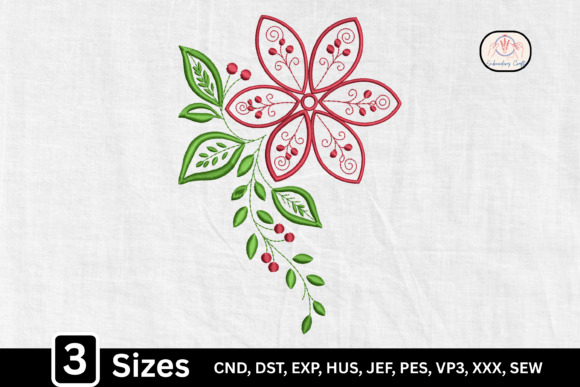
The first impression of the Botanical Red Flower is one of timeless elegance mixed with bold visibility. In the crowded category of Single Flowers Plants, many designs lean toward either overly complex vintage styles or simplistic cartoon aesthetics. This design strikes a necessary balance for commercial success. The red floral motif feels premium yet accessible, avoiding the stiffness that can sometimes plague botanical artwork. For a handmade shop owner or Etsy seller, this aesthetic is crucial because it bridges the gap between rustic farmhouse charm and modern boutique sophistication.
Visually, the red tone serves as a natural focal point. On a digital screen, red can sometimes appear flat, but in thread, it possesses depth. This design appears to utilize shading or satin stitch variations that will catch overhead lighting at a craft fair. It does not feel "cute" in a juvenile sense; rather, it feels decorative and intentional. This maturity in style makes it suitable for higher price-point items like linen pillow covers or structured tote bags, where customers expect a refined finish rather than a novelty trinket.
Product Performance: Where Botanical Red Flower Sells Best
Determining the right canvas for a digital embroidery file is half the battle. Based on the elegant nature of this botanical flower, I have identified specific products where this design will likely outperform others in a retail setting.
- Tote Bag Design: This is arguably the strongest application. A natural cotton or canvas tote provides the perfect neutral background for the red botanical element. The design works as a centered focal point or an off-set corner placement. Shoppers at markets love functional art, and a bag featuring this flower signals quality craftsmanship.
- Apron Embroidery: For vendors targeting chefs, bakers, or gardeners, this design adds a touch of femininity without being frilly. Placed on the chest pocket area or the lower hem, it elevates a standard utility apron to a giftable handmade product.
- Tea Towel Embroidery: Kitchen textiles are high-volume sellers. However, the Botanical Red Flower shines best on flour sack towels or smooth linen blends rather than thick terry cloth. The elegance of the botanical lines requires a smooth surface to maintain clarity.
- Embroidered Patch: Because the design has a distinct silhouette, it translates exceptionally well into a standalone patch. This allows for batch production on felt or twill, which can then be sold as add-ons or applied to caps and jackets later.
Conversely, I would hesitate to use this as a primary design on curved caps unless the hoop size and digitization specifically account for distortion. Similarly, while it could work on small pouches, ensure the scale remains large enough to preserve the botanical details. Tiny renditions may lose the "elegant" descriptor and become indistinct blobs of red thread.
Production Practicality for Batch Manufacturing
For creative entrepreneurs and boutique makers, time is money. A beautiful design is useless if it takes three hours to stitch out or requires constant supervision. The Botanical Red Flower appears optimized for efficient production. The flow of the botanical elements suggests a logical stitch path that minimizes jump stitches and trims. This is vital when running multiple hoops of tea towel embroidery or preparing inventory for a weekend show.
From a photography standpoint, this design is a winner for online listings. High-contrast red on neutral fabrics photographs beautifully without extensive editing. For Etsy sellers relying on thumbnails, the bold color ensures the product is visible even on mobile screens. Furthermore, the design is repeatable. Unlike novelty seasonal graphics that expire after a holiday, this botanical theme sells year-round, making it a reliable asset for long-term business planning.
Critical Use Notes: Avoiding Production Pitfalls
Even the most elegant commercial embroidery files have limitations. As you integrate Botanical Red Flower into your workflow, keep these technical considerations in mind to protect your brand reputation.
- Fabric Texture Matters: Avoid using this design on heavily textured fabrics like boucle or loose-weave burlap. The fine details of the botanical leaves and petals require a stable base. If you must use textured fabric, employ a water-soluble topping to prevent stitches from sinking.
- Stitch Density Awareness: Check the fill areas. If the red flower uses heavy satin stitches, ensure your fabric can handle the tension. On lightweight fabrics, dense stitching can cause puckering. Always pair with appropriate stabilizer—cutaway for stretchy knits, tear-away for stable wovens.
- Color Contrast: While red is versatile, test it against dark backgrounds. A bright red flower on black fabric looks dramatic, but on dark navy or brown, it may vibrate visually or disappear in low light. Always verify contrast before committing to a full production run.
- Scaling Limits: Do not shrink this design below its recommended minimum size. Botanical designs often contain intricate vein details or delicate stems that will break or tunnel if reduced too aggressively. Respect the digitizer’s intended dimensions.
Designer’s Checklist Before Selling Finished Products
Before listing any item featuring Botanical Red Flower as a craft fair product or adding it to your digital storefront, complete this professional verification process. Skipping these steps is the difference between an amateur hobbyist and a professional embroidery business.
- Test Stitch-Out: Never sell based on a screen preview. Stitch the design on the exact fabric and stabilizer combination you intend to sell. Inspect registration, tension, and overall feel.
- Verify Licensing: Confirm that your purchase includes rights for selling finished goods. Some design assets are for personal use only. Protect your business by ensuring you have the correct commercial license.
- Create Real Mockups: While printable mockup software is useful, nothing beats a photo of the actual embroidered item. Customers trust texture and sheen that only real photos convey.
- Thread Color Matching: Screen colors rarely match physical thread perfectly. Select your red thread physically against the fabric to ensure the warmth and saturation align with the "elegant botanical" promise.
- Hoop Size Confirmation: Ensure your machine’s hoop accommodates the design with adequate margin. Crowding the hoop edges leads to alignment issues and wasted materials.
Elevating Your Handmade Brand Value
Ultimately, the Botanical Red Flower is more than just a pretty image; it is a strategic tool for handmade businesses. Its blend of traditional beauty and commercial viability makes it a staple for sellers who want to move beyond basic monograms. Whether you are stocking a booth with embroidered patches, curating an Etsy shop full of garden-inspired gifts, or producing custom aprons for local cafes, this design offers the visual weight necessary to justify premium pricing.
By treating this small shop product with professional rigor—testing thoroughly, selecting appropriate substrates, and presenting it with intention—you transform a simple embroidery file into a signature piece of your collection. In the competitive world of handmade markets, it is these thoughtful details that turn casual browsers into loyal customers. The Botanical Red Flower has the potential to be that anchor design for your next season, provided you execute it with the care and expertise your customers expect.