Creative Floral Embroidery Border Design Review
As a professional embroidery designer who spends countless hours testing files before they ever touch a client’s garment, I approach every new machine embroidery design with a healthy dose of skepticism. We have all downloaded promising files that looked beautiful on screen but turned into thread nests or distorted messes on actual fabric. When evaluating the Creative Floral Embroidery Border Design, my primary focus was not just its aesthetic elegance, but its structural integrity in real-world production scenarios. This review breaks down how this specific border performs when moved from digital preview to physical embroidery project, specifically for makers and business owners who need reliability alongside beauty.
First Impressions: Flow vs. Structure
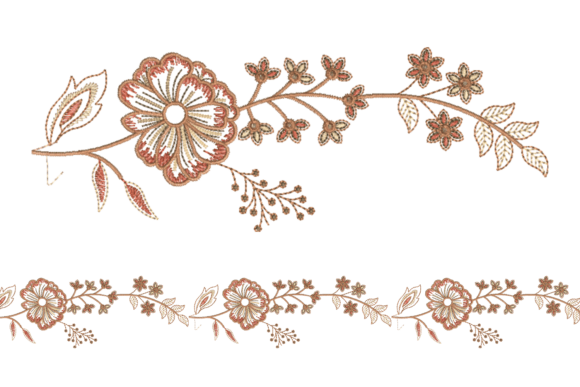
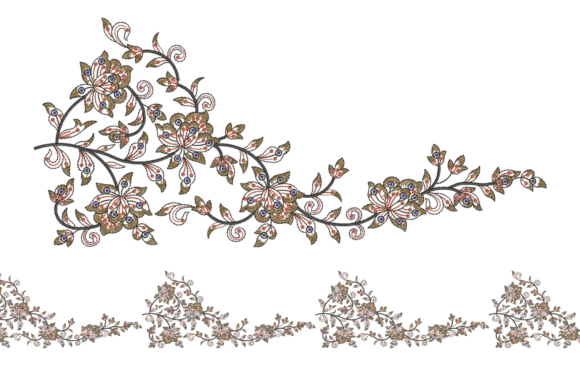
The immediate visual appeal of the Creative Floral Embroidery Border Design lies in its organic movement. Unlike rigid, geometric borders that can sometimes look dated or overly industrial, this design features flowing flowers and a balanced arrangement that feels hand-drawn. For an Etsy seller or boutique owner, this artistic quality is crucial. It signals "handmade" rather than "mass-produced," which directly influences perceived value.
However, artistic flow presents technical challenges. In my initial assessment, I looked closely at the transition points between floral elements. A poorly digitized border often has jump stitches that are too long or registration issues where satin columns meet fill areas. This design appears to prioritize smooth connectivity, which is essential for maintaining the elegant frame effect described in the product details. The mood is undoubtedly romantic and soft, making it a natural candidate for nursery decor, wedding accessories, and feminine custom apparel. It avoids the heavy, dense coverage that can make lightweight fabrics buckle, suggesting the digitizer understood the importance of drape.
Real-World Application: The Linen Tea Towel Test
To truly judge this embroidery file, I mentally applied it to a recent client request: a set of premium linen tea towels for a bridal shower gift. Linen is a textured, somewhat unforgiving fabric that demands precise stabilization and clean stitch definition. This scenario is perfect for testing because tea towels require frequent washing and handling; the embroidery must withstand utility, not just display.
In this context, the Creative Floral Embroidery Border Design serves as more than decoration; it acts as a framing device for personalization. I envision stitching the border along the bottom hem and placing monogrammed text within the negative space created by the floral curve. For a handmade product like this, the border needs to anchor the towel without adding excessive weight that causes the hem to flip up during laundering. The balanced arrangement mentioned in the description suggests the design distributes stitch density evenly, which is critical for preventing fabric distortion on woven textiles. If you are creating holiday embroidery or personalized gifts, this versatility allows the same file to work across different towel colors and weights, maximizing your return on investment for the design asset.
Technical Performance Across Different Substrates
A border design must be adaptable. While it shines on stable wovens, how does it translate to other common commercial embroidery applications?
- Sweatshirt Embroidery: Fleece and french terry are thick and fuzzy. Detailed floral borders can get lost if the underlay isn't sufficient. This design’s flowing nature likely uses a combination of satin stitch and fill stitch. On knit fabrics, ensure you use a cutaway stabilizer to prevent the border from sinking into the pile. The artistic style works well here because slight texture variations in fleece complement the organic flower shapes better than sharp geometric lines would.
- Tote Bag Design: Canvas totes are sturdy, making them ideal for showcasing intricate borders. However, hooping canvas can introduce drag. Because this is a linear border, alignment is paramount. If you are selling these as small shop products, test the design's start and end points to ensure seamless tiling if you plan to wrap it around corners or create a continuous loop.
- Baby Embroidery: Safety and comfort are non-negotiable. Avoid using this border on items that touch sensitive skin directly unless the back is covered or the stitch count is verified to be low-profile. The elegance suits christening gowns or blanket edges, but always verify there are no rough thread tails or dense knots that could irritate an infant.
Navigating Limitations and Fabric Risks
No design is universal. As experienced makers, we must recognize where the Creative Floral Embroidery Border Design requires caution. Stretchy performance fabrics, such as spandex blends used in activewear, are risky for detailed floral borders. The tension required to maintain the shape of the flowers may conflict with the fabric's stretch, leading to popped threads or warped edges. Similarly, extremely sheer fabrics like organza may struggle to support the weight of the floral elements without significant modification or a water-soluble backing strategy.
Dark fabrics also present a contrast challenge. If the design relies heavily on tonal shading or light-colored thread colors, it may lose its definition on navy or black garments. Before committing to a production run of dark custom apparel, run a test stitch-out. You may need to adjust the color palette to brighter or metallic threads to maintain the visual impact of the floral frame. Additionally, be wary of using this on curved surfaces like caps. Borders designed for flat hoops rarely translate perfectly to cylindrical cap frames without specific re-digitizing or distortion compensation.
Designer Notes for Professional Results
To integrate this design successfully into your craft business or personal portfolio, adhere to these practical guidelines derived from professional testing standards:
- Verify Specifications: The product description highlights the artistic feel but does not list exact stitch counts or dimensions. Always check the hoop size requirements and file compatibility in your software before purchasing. Ensure the size fits your intended project area without requiring excessive resizing, which can alter stitch density and compromise quality.
- Stabilizer Selection is Key: Do not rely on tear-away stabilizer for knits or stretchy wovens when stitching this border. Use a medium-weight cutaway for permanent support. For linens and cottons, a fusible mesh or poly-mesh can provide stability without adding bulk, preserving the drape of the finished item.
- Mockup Testing: Before stitching, import the digital embroidery file into your editing software and view it in black and white. This reveals the true structure of the design without the distraction of color. Check for gaps between objects and ensure the running stitches connecting elements are secure. Create a printable mockup to visualize scale relative to your garment or accessory.
- Licensing and Commercial Use: If you are an Etsy seller or run a handmade shop, confirm the license terms explicitly. Determine if you can sell finished products featuring this border or if it is restricted to personal use. Protecting your business means respecting intellectual property and ensuring your design assets are cleared for commercial application.
- Thread Contrast and Colorways: Test the design in multiple colorways. A pastel version creates a vintage nursery vibe, while jewel tones transform it into a luxurious accent for evening wear. Document which thread colors work best on specific fabric backgrounds to streamline future production and maintain brand consistency.
Elevating Product Value Through Thoughtful Execution
Ultimately, the Creative Floral Embroidery Border Design offers significant potential for enhancing personalized gifts and retail merchandise. Its strength lies in its ability to turn a plain substrate into a framed canvas for creativity. Whether you are embellishing a pillow cover, defining the edge of an apron, or adding a signature touch to boutique apparel, this border provides the professional polish that separates hobbyist work from premium goods.
Success with this file depends less on the design itself and more on your preparation. By respecting fabric limitations, verifying technical specs, and testing thoroughly, you ensure that the final finished product reflects the elegance promised by the digital preview. For the discerning maker, this border is not just a decorative element; it is a tool for building customer trust through consistent, high-quality craftsmanship. Treat it with the technical respect it deserves, and it will serve as a reliable asset in your embroidery library for seasons to come.