Cute Spring Daisy Flower: A Designer’s Review
As I prepare my booth inventory for the upcoming weekend craft fair, selecting the right machine embroidery design is just as critical as choosing the blank products themselves. Customers at handmade markets are drawn to items that evoke emotion and seasonal relevance. When evaluating the Cute Spring Daisy Flower for my production lineup, I am looking for more than just a pretty digital file; I need a design that translates into a high-value handmade product. This review breaks down how this specific floral motif performs in a real-world commercial embroidery setting, focusing on sellability, production efficiency, and visual impact for fellow Etsy sellers and boutique makers.
First Impressions: Freshness Meets Commercial Viability
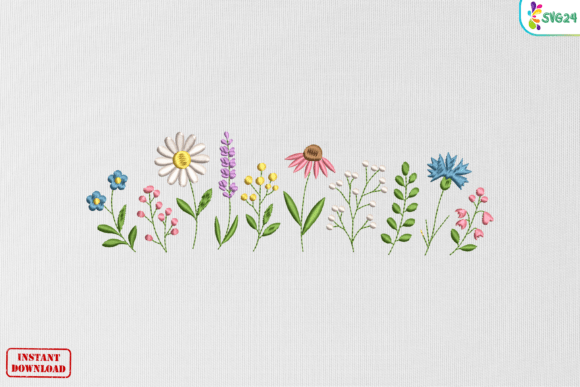
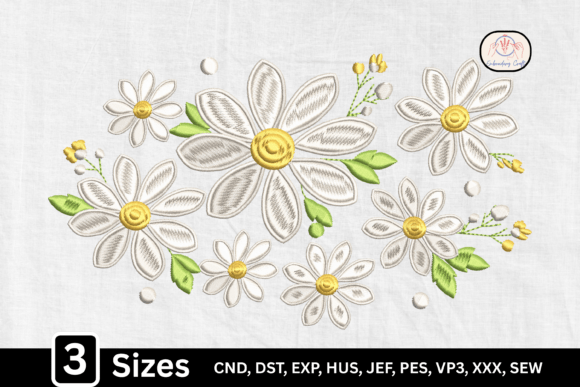
My immediate reaction to the Cute Spring Daisy Flower is that it strikes an excellent balance between playful and classic. In the crowded category of Single Flowers Plants, many designs lean too heavily toward either rigid realism or overly cartoonish aesthetics. This design, described as fresh and cheerful with multiple white flowers and yellow centers, hits a sweet spot that appeals to a broad demographic. It feels soft and timeless rather than trendy, which is crucial for inventory longevity.
For a craft fair table display, this design reads as approachable and giftable. It lacks the heavy, dense fill often associated with complex botanical illustrations, suggesting it will maintain fabric drape. This "soft" characteristic mentioned in the description is a major selling point for wearable items. As a designer, I see this not just as a flower, but as a versatile accent that can elevate simple blanks into premium small shop products. The multiple-flower composition allows for flexible placement, making it easier to adapt to various hoop sizes without losing the design's integrity.
Best-Selling Applications for Market Booths
When planning my production run, I categorize designs by their best application. The Cute Spring Daisy Flower shows exceptional promise across several key categories for spring markets.
- Tote Bag Design: Canvas totes are craft fair staples. This daisy motif works beautifully as an off-center chest placement or a repeating pattern along the bottom hem. The white and yellow thread colors pop against natural cotton canvas, creating high contrast that catches the eye from a distance.
- Tea Towel Embroidery: Kitchen linens require designs that do not compromise absorbency. Because this design features multiple smaller flowers rather than one massive solid block, it preserves the towel's functionality while adding farmhouse charm.
- Apron Embroidery: For garden-themed aprons, this design serves as a perfect pocket accent. Its cheerful nature aligns perfectly with the gardening and cooking niche, making it a strong candidate for bundled gift sets.
- Embroidered Patches: Given the distinct color separation (white petals, yellow centers), this artwork translates well into patches. These are excellent low-cost add-ons at the point of sale or for use on denim jackets and caps.
For digital sellers offering a digital embroidery file, this versatility is a marketing asset. You can create multiple printable mockups showing the same design on different substrates, demonstrating value to buyers who may be hesitant about how the art scales.
Production Practicality and Batch Efficiency
A design might look stunning on screen, but if it takes forty minutes to stitch out or causes excessive thread breaks, it destroys profit margins. The Cute Spring Daisy Flower appears optimized for batch production. The description implies a layout that likely utilizes efficient jump stitches and logical color sequencing. For commercial embroidery, minimizing trim times and color changes is essential.
I appreciate that this design features "multiple white flowers." This clustering often means the machine can stitch several blooms in a single color run before switching back to green stems or yellow centers. This efficiency makes it ideal for hooping multiple tea towels or tote bags at once. Furthermore, the aesthetic is repeatable. Unlike novelty designs that sell once per customer, florals have high repurchase potential. Customers who buy a daisy pillow cover today may return next month for a matching pouch, helping build brand consistency.
Critical Technical Considerations for Makers
Despite its appeal, every embroidery file has limitations. Before listing this as a finished product, you must address specific technical variables to ensure quality.
Fabric Texture and Stabilizer Choice
White thread on white fabric can disappear, while white thread on dark fabric requires careful underlay management to prevent show-through. If stitching on textured towels or waffle-weave fabrics, use a water-soluble topping to keep the daisy petals crisp. Without proper stabilizer support, lightweight spring fabrics like linen or voile may pucker around the satin stitches. Always test on scrap fabric identical to your final product.
Sizing and Detail Clarity
While the design is versatile, resizing requires caution. Reducing a multi-flower cluster too much can cause tiny details to merge. Check the minimum recommended size in your software. If you plan to use this on curved cap surfaces, verify that the design height fits within your cap frame's safe zone. Distorted daisies on hats look unprofessional and devalue the handmade product.
Thread Color Matching
"White" and "Yellow" vary significantly between thread brands. A cream-white versus a bright optical white changes the entire mood from vintage to modern. Select thread colors that match your brand aesthetic. For the yellow centers, consider variegated threads to add depth without increasing stitch count.
Maximizing Visual Appeal and Customer Engagement
At a physical market, customers touch before they buy. The Cute Spring Daisy Flower contributes to perceived value through texture and color psychology. Bright yellows and clean whites signal freshness and cleanliness, triggering positive associations with spring cleaning and outdoor activities. This emotional connection drives impulse purchases.
For online listings, photographing this design requires attention to lighting. Natural light enhances the "fresh" descriptor, while artificial light can make white threads look blue or gray. Create lifestyle photos showing the design in context—a tote bag over a shoulder, a tea towel draped over a wooden spoon. These images help customers visualize the finished product in their own lives. Additionally, clearly state the dimensions and hoop size requirements in your listing to reduce customer service inquiries regarding compatibility.
Designer’s Pre-Production Checklist
Before committing to a full production run for your shop or booth, follow this professional workflow to mitigate risk:
- Verify Licensing: Confirm the design assets include commercial rights for selling finished goods. Never assume a purchase includes resale permission.
- Stitch Out Test: Run a sample on your target fabric. Inspect registration, especially where yellow centers meet white petals. Gaps indicate tension issues or digitizing flaws.
- Check Density: Feel the back of the test stitch-out. If it feels stiff or bulletproof, the stitch density may be too high for lightweight spring garments. Adjust settings or choose heavier substrates.
- Create Real Mockups: Do not rely solely on software renderings. Photograph your actual test stitch-out for Etsy listings to build trust and accuracy.
- Compare Fabric Colors: Test the design on at least three different background colors. What works on sage green may fail on navy blue. Document successful pairings for future reference.
The Cute Spring Daisy Flower represents a strong opportunity for embroidery businesses targeting the spring season. Its blend of cheerfulness and technical adaptability makes it a reliable workhorse for everything from apron embroidery to decorative home goods. By approaching this design with a critical eye toward production realities and customer preferences, you can transform a simple digital file into a profitable, best-selling collection that stands out in any handmade marketplace. Always prioritize testing and quality control to ensure your reputation remains as fresh as the daisies you stitch.