Daisy Flowers Embroidery Design Review
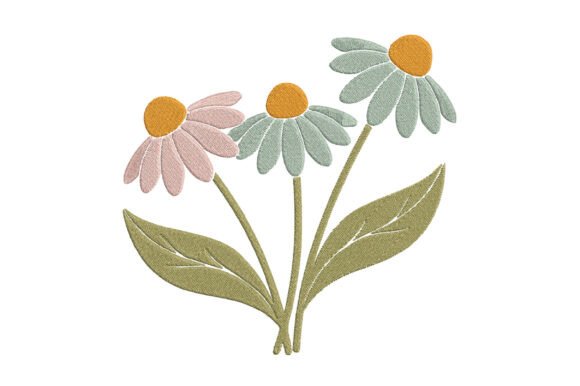
As an embroidery designer preparing for a busy weekend craft fair, my selection process is rigorous. I do not simply choose patterns that look pretty on a screen; I select designs that translate into sales when displayed on a crowded table. When evaluating the Daisy Flowers Embroidery Design, my primary focus is versatility and production efficiency. This specific machine embroidery design promises a fresh and cheerful touch with cute white and yellow daisy flowers, bringing a soft, clean, and joyful floral vibe. For a handmade product vendor, this description signals high commercial potential because it targets the evergreen "cottagecore" and modern farmhouse aesthetics that dominate current market trends.
First Impressions and Booth Appeal
Upon reviewing the digital embroidery file, the immediate impression is one of approachable elegance. Unlike complex botanical illustrations that can appear stiff or overly formal, this pattern leans into a softer, more whimsical aesthetic. For a craft fair product lineup, this is crucial. Customers walking past a booth are drawn to items that evoke positive emotions instantly. The combination of white petals and yellow centers creates a natural focal point that reads clearly from a distance. In the Single Flowers Plants category, daisies are unique because they bridge the gap between vintage nostalgia and contemporary minimalism. This dual appeal means the Daisy Flowers Embroidery Design can anchor a display table without alienating younger buyers who prefer modern decor or older customers seeking traditional needlework styles.
Best Selling Applications for Market Day
Determining where to apply this design is just as important as the design itself. Based on the stitch structure and visual weight, I have identified several high-value applications for my upcoming market setup.
- Tote Bag Design: Canvas totes are a staple for Etsy sellers and boutique makers. The daisy motif works exceptionally well here because the contrast of white and yellow thread against natural cotton canvas pops visually. It transforms a utilitarian item into a fashion statement.
- Tea Towel Embroidery: Kitchen linens are high-volume sellers at fairs. Because this design brings a soft, clean vibe, it pairs perfectly with flour sack towels or linen blends. The cheerful nature of the flowers makes these towels feel like giftable handmade items rather than basic cleaning supplies.
- Apron Embroidery: For bakers and gardeners, a daisy-adorned apron suggests warmth and domestic joy. Placing the design on the chest bib or lower pocket area adds value without requiring excessive hoop repositioning.
- Embroidered Patches: Creating standalone patches allows for batch production. These can be sold as add-ons at the register or used to customize denim jackets and caps on-site, increasing customer engagement.
- Fabric Pouches and Pillow Covers: Smaller home goods allow customers to purchase the aesthetic at a lower price point. A zipper pouch featuring this joyful floral vibe serves as an excellent entry-level product for new customers.
Production Practicality and Batch Efficiency
For creative entrepreneurs, time is money. A beautiful design is useless if it takes three hours to stitch out or requires constant supervision. The Daisy Flowers Embroidery Design appears optimized for commercial embroidery workflows. The color changes are logical, minimizing thread trims and reducing the risk of registration errors during long production runs. When producing twenty tea towels for a weekend market, a design that flows efficiently through the machine ensures consistent quality across every finished product.
Furthermore, this design photographs beautifully for online listings. The distinct separation between the white petals and yellow centers prevents the "muddy" look that often plagues floral embroidery in digital photos. For Etsy sellers relying on printable mockups to drive pre-fair sales, the clarity of this pattern ensures that what the customer sees online matches the physical item. This consistency builds trust and reduces return rates.
Critical Use Notes for Professional Results
While the design is versatile, experienced embroiderers know that execution matters. There are specific variables to watch when adapting this pattern for different substrates.
- Fabric Texture Considerations: On textured towels or waffle-weave fabrics, the white petal stitches may get lost if the underlay is insufficient. Always use a water-soluble topping to keep the stitches crisp and prevent the fabric texture from poking through the satin columns.
- Stitch Density Management: If resizing the design for smaller items like baby bibs or cap fronts, monitor the stitch density closely. Reducing size too aggressively can cause thread breaks or puckering. Conversely, enlarging it for a large tote bag may require adding fill stitches to maintain coverage.
- Thread Color Matching: The description specifies white and yellow, but "yellow" varies wildly between brands. Test your thread colors against your base fabrics before committing to a batch. A neon yellow might clash with unbleached linen, while a mustard tone might look muddy on bright white cotton.
- Curved Surfaces: When applying this to caps, ensure the hoop size accommodates the curve without distorting the circular shape of the daisy. Distorted flowers look unprofessional and devalue the handmade product perception.
Designer Checklist Before Production
Before loading this digital embroidery file into my machine for final production, I adhere to a strict testing protocol. This step separates hobbyists from professional small shop product creators.
- Verify Hoop Size Compatibility: Confirm the design dimensions fit your available hoops with adequate margin for stabilization. Never max out your hoop field.
- Stabilizer Selection: Match the stabilizer to the fabric weight. Cut-away for stretchy knits, tear-away for stable woven cottons, and wash-away for sheer or napped fabrics.
- Create Physical Mockups: Do not rely solely on software simulations. Stitch out at least one sample on the exact fabric you intend to sell. Check for puckering, thread tension issues, and overall scale.
- Review Commercial Licensing: Before listing any finished product or selling the design assets themselves, confirm the license terms. Ensure you have the right to sell physical embroidered goods derived from this file.
- Check Small Detail Clarity: Inspect the center details of the daisy. If they are too small for your needle size or fabric weave, simplify them manually to prevent bird-nesting.
Enhancing Brand Value Through Floral Design
Incorporating the Daisy Flowers Embroidery Design into your inventory does more than fill shelf space; it strengthens brand identity. Consistent use of cheerful, clean florals establishes a recognizable signature style that customers begin to associate with your business. Whether you are a Cricut and embroidery crafter expanding into machine work or a seasoned boutique maker refreshing your seasonal line, this design offers a reliable foundation for growth.
The emotional connection customers feel toward daisies translates directly to perceived value. A plain tote bag is a commodity; a tote bag adorned with a meticulously stitched, joyful daisy is a keepsake. By focusing on the technical excellence and strategic application of this embroidery file, you transform a simple digital asset into a profitable craft fair product. Remember to always prioritize test stitches and quality control, as the reputation of your handmade business rests on the integrity of every single stitch.