Hibiscus Flowers: A Designer Review for Business Merch
As an embroidery designer who specializes in commercial branding and small business merchandise, I approach every new machine embroidery design with a critical eye. When evaluating the Hibiscus Flowers design from the Floral Garden category, my primary focus is not just aesthetic beauty, but functional versatility for branded goods. The product description promises a "subtle touch of charm and creativity," which immediately signals to me that this asset is positioned for boutique branding rather than heavy industrial uniforms. For Etsy sellers, café owners, florists, and handmade brands, this distinction is vital. Below is my professional assessment of how this embroidery file performs in real-world commercial applications.
Visual Personality and Brand Alignment
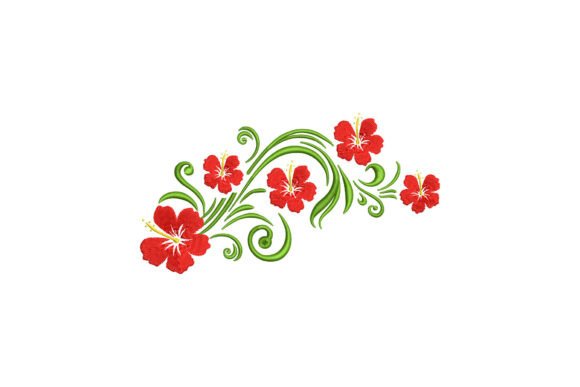
My first impression of Hibiscus Flowers is that it strikes a balance between organic elegance and approachable friendliness. In the context of brand identity, floral motifs can sometimes skew too traditional or overly complex for modern merchandise. However, the "subtle" nature described here suggests a cleaner silhouette that avoids visual clutter. This makes it exceptionally well-suited for businesses that want to convey warmth without sacrificing professionalism.
For a local bakery or creative studio, this design reads as artisanal and thoughtful. It lacks the rigid geometry of corporate logos, making it ideal for handmade product lines where the goal is to build an emotional connection with the customer. Conversely, for a pet brand or garden center, it reinforces the natural theme without looking like generic clip art. The visual weight appears light enough to work as an accent rather than a dominant billboard, which is crucial when integrating florals into existing logo systems.
Performance Across Commercial Applications
When deploying Hibiscus Flowers for small business merch, versatility is key. Based on the design’s intended use on T-shirts, towels, and pillows, I see strong potential across several specific business categories:
- Boutique Apparel: As a left-chest accent on staff polos or retail tees, this design adds personality without overwhelming the garment. It works particularly well for custom apparel lines targeting a female demographic or eco-conscious consumers.
- Hospitality Uniforms: For cafés and spas, apron embroidery featuring this hibiscus motif creates a cohesive, welcoming atmosphere. The floral element softens the utilitarian look of workwear while maintaining a tidy appearance.
- Retail Accessories: The design translates beautifully to tote bag design. Canvas totes are high-value add-ons at checkout, and a charming floral stitch-out increases perceived value compared to plain bags.
- Packaging Accents: Beyond wearables, consider stitching this onto fabric pouches or gift wrap tags. It elevates the unboxing experience for Etsy sellers and subscription box services.
In each of these scenarios, the design serves as a secondary brand marker. It supports the primary logo by adding texture and thematic consistency, which enhances customer recognition and trust.
Technical Considerations for Production
While the aesthetic is promising, technical execution determines whether a digital embroidery file succeeds in production. As a designer, I must highlight specific areas where caution is required when using Hibiscus Flowers for business assets.
Stitch Density and Fabric Texture
Floral designs often contain fill stitches that can become dense. If you plan to use this for cap embroidery or lightweight performance shirts, you must verify the stitch density. High-density florals on curved cap fronts can cause puckering or needle breaks. Similarly, on textured fabrics like terry cloth towels, fine details may get lost. Always test the design on the exact fabric texture you intend to sell before running a full production batch.
Sizing for Patches and Small Formats
The description mentions suitability for various projects, but if your goal is creating an embroidered patch, size reduction is a risk. Florals rely on open space to remain legible. If scaled down below 3 inches, intricate petal details may merge. Before committing to patch production, digitize a test run at your target size. Ensure the satin borders and internal details remain distinct. If the design loses clarity at small sizes, reserve it for larger formats like tote bags or pillowcases and select a simpler icon for patches.
Thread Colors and Contrast
Brand consistency requires precise color matching. While the stock design likely uses standard thread colors, your business may require specific Pantone matches. Review the thread colors in the file and map them to your brand palette. On dark uniforms, ensure there is sufficient contrast; a subtle pastel hibiscus might disappear on navy blue aprons unless outlined or backed with white underlay.
Strategic Implementation for Business Growth
Integrating Hibiscus Flowers into your product line is about more than decoration; it is a strategic move to enhance product value. Customers associate detailed embroidery with quality and care. When a buyer sees a well-executed floral motif on a finished product, they subconsciously attribute that same attention to detail to your core service or goods.
Furthermore, this design aids in visual storytelling. For a florist, it is literal. For a yoga studio, it represents growth and tranquility. For a vintage clothing reseller, it evokes nostalgia. By aligning the design’s "charm" with your specific niche, you create design assets that do double duty: they beautify the merchandise and reinforce your market positioning.
Essential Pre-Production Checklist
Before loading this embroidery file into your machine for a client order or inventory stock, complete this professional review checklist:
- Verify Specifications: The product description does not list exact stitch counts, dimensions, or format compatibility. You must check these technical specs against your machine’s capabilities and your hoop size limitations before purchasing.
- Confirm Licensing: Ensure the license permits commercial embroidery. Some files are restricted to personal use only. Never assume business rights; verify them explicitly to protect your shop.
- Run a Black and White Test: Print a grayscale version or stitch it in single-color thread first. This reveals the underlying structure and spacing without the distraction of color blending.
- Stabilizer Selection: Match your stabilizer to the end-use. Use cut-away for stretchy apparel and tear-away for stable woven goods. Incorrect stabilization is the number one cause of poor registration in floral designs.
- Create a Printable Mockup: Before stitching physical samples for every SKU, generate a printable mockup. Place the design digitally on photos of your actual merchandise to evaluate scale and placement. This saves time and materials during the approval phase.
- Wash Testing: If selling items that require frequent laundering (like aprons or towels), wash-test the sample. Florals with long satin stitches can snag; ensure the design holds up to your customers' lifestyle.
Hibiscus Flowers offers a versatile foundation for small business branding, provided it is applied with technical foresight. Its subtle charm makes it a powerful tool for humanizing commercial products, but success lies in respecting the limitations of the medium. By validating the file against your specific production needs and brand standards, you can transform this digital asset into tangible business value.