Rabbit in Flowers: A Merchandise Design Review
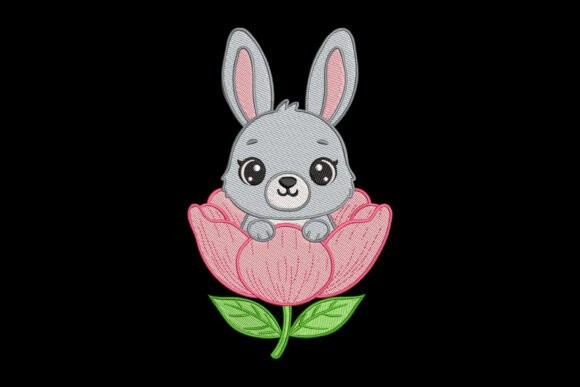
As an experienced embroidery designer evaluating assets for commercial production, my first impression of the Rabbit in Flowers machine embroidery design is that it strikes a delicate balance between whimsy and professionalism. While the product description highlights its charm for personal projects like T-shirts and pillows, I see significant potential for small business merchandise when applied strategically. The aesthetic leans toward rustic elegance and handmade authenticity, making it particularly suitable for brands that want to convey warmth, organic quality, and approachability. For a florist, bakery, pet boutique, or creative studio, this design offers a visual softness that rigid corporate logos often lack.
Evaluating Visual Personality for Brand Identity
When incorporating animals into brand identity, the risk is often appearing too juvenile or cartoonish. However, Rabbit in Flowers avoids this pitfall through its floral integration. The combination suggests growth, nature, and gentleness rather than mere playfulness. From a design review perspective, this makes the embroidery file versatile for businesses targeting demographics that value artisanal quality. It does not scream "kids' clothing"; instead, it whispers "handcrafted care."
For a local café or tea shop, this design could serve as a secondary logo or seasonal accent. It communicates a relaxed atmosphere that aligns with customer expectations of comfort. For Etsy sellers and handmade product creators, using such a design reinforces the narrative of individual attention to detail. The visual weight appears balanced enough to work as a standalone mark on tote bags or as a complementary element beside primary text-based logos on custom apparel. It feels premium because it implies a connection to the natural world, which is a high-value trait in modern retail branding.
Real-World Applications for Small Business Merch
In a commercial embroidery context, versatility is key to maximizing return on investment for digital embroidery files. Based on the composition implied by the title and category, here is how I would deploy Rabbit in Flowers across various business assets:
- Apron Embroidery: For florists and bakers, placing this design on the chest or pocket area of an apron creates immediate thematic resonance. It acts as a uniform identifier that feels less sterile than standard corporate wear.
- Tote Bag Design: Canvas totes are staples for boutiques and markets. This design likely has enough visual interest to stand alone on natural cotton canvas without needing additional text, serving as a walking advertisement for the shop’s aesthetic.
- Embroidered Patches: Creating branded patches allows for inventory flexibility. These can be heat-sealed onto caps, jackets, or beanies. The floral border inherent in the design provides a natural frame, making it ideal for circular or oval patch formats.
- Product Packaging Accents: Stitching this motif onto fabric gift bags or reusable wrapping adds tangible value to the unboxing experience. It transforms packaging from waste into a keepsake, enhancing perceived product value.
- Staff Uniforms: On polo shirts or work blouses, this design works best as a left-chest placement. It softens the professional look while maintaining neatness, provided the sizing is appropriate.
Technical Considerations for Commercial Production
While the artistic merit is clear, technical execution determines whether a design survives the rigors of business use. Before running a full production batch, specific variables must be assessed. The interaction between stitch density and fabric texture is critical. If Rabbit in Flowers contains dense satin stitches in the floral elements, it may cause puckering on lightweight T-shirts or performance fabrics common in staff uniforms. Conversely, if the design is too sparse, it may get lost on textured towels or heavy canvas tote bags.
Cap embroidery presents unique challenges due to the curved surface and limited vertical space. You must verify that the vertical height of the rabbit and flower arrangement fits within your cap frame's safe zone. Designs with intricate lower details often distort on caps; you may need to edit the file to simplify bottom elements specifically for headwear applications.
Washability is another non-negotiable factor for merchandise intended for daily use. Aprons and uniforms undergo frequent laundering. Ensure the thread colors selected have high colorfastness ratings. Furthermore, check the underlay stitching. Adequate underlay is essential to prevent the design from sinking into plush fabrics like terry cloth towels or fleece. Without proper stabilization and underlay, even the most beautiful design will look amateurish after one wash cycle.
Critical Pre-Production Checklist
To ensure professional results, follow these verification steps before selling or distributing finished products:
- Verify Hoop Size Compatibility: Confirm the design dimensions fit your available hoops with adequate margin for machine movement. Never force a design into a hoop that is too tight.
- Test Stitch Density: Run a sample on the exact fabric you intend to sell. Check for fabric distortion, thread breaks, or excessive stiffness.
- Contrast Check: Test thread colors against both light and dark backgrounds. Some floral details visible on white fabric may disappear on navy or black uniforms.
- Small Size Legibility: If planning embroidered patches smaller than 3 inches, verify that facial features and petal definitions remain distinct. Details often merge at reduced scales.
- Create Printable Mockups: Before physical sampling, use software to visualize placement. This helps clients approve scale and positioning, reducing wasted materials.
- Confirm Licensing: Crucially, review the license terms for this digital embroidery file. Ensure you have explicit permission for commercial merchandise sales, not just personal crafting.
Impact on Customer Trust and Product Value
The decision to use Rabbit in Flowers extends beyond aesthetics; it influences buyer engagement and trust. In the saturated market of small business merch, generic clip art signals low effort. A cohesive, well-executed embroidery design signals intentionality. When customers see consistent branding across aprons, tote bags, and packaging, they perceive the business as established and reliable.
This specific design category—Animals intertwined with botanicals—taps into current trends favoring cottagecore and sustainable living. Aligning your brand visuals with these cultural moments can increase relevance. However, consistency is paramount. Using this design on a rustic linen apron but pairing it with neon polyester thread on a sporty cap creates cognitive dissonance. Maintain thread color palettes that reflect your core brand identity to ensure visual coherence.
Ultimately, Rabbit in Flowers serves as a valuable asset for businesses seeking to humanize their brand. It bridges the gap between professional service and personal touch. By treating this machine embroidery design with technical respect and strategic foresight, you transform a simple digital file into a powerful tool for building recognition and loyalty. Always prioritize testing and quality control; your reputation is stitched into every finished product.