Sleeping Cat on Book Embroidery Design Review
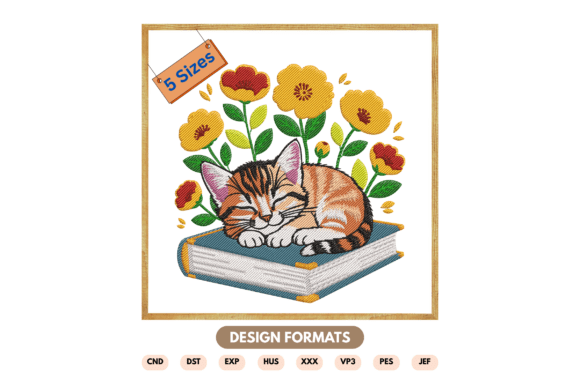
As an embroidery designer preparing for a busy weekend craft fair, I am constantly evaluating which digital assets will translate into physical sales. When reviewing the Sleeping Cat on Book Embroidery Design, my immediate assessment is that this machine embroidery design strikes a perfect balance between cozy cottagecore aesthetics and universal appeal. The description promises warmth and comfort, featuring a peaceful tabby kitten curled up on a stack of books surrounded by cheerful blooming flowers. For handmade shop owners and Etsy sellers, this specific combination of elements suggests a product that feels nostalgic yet fresh, making it an ideal candidate for a diverse booth display.
First Impressions and Market Viability
The visual hierarchy of this design is its strongest selling point. In a crowded market environment, customers often scan tables in seconds. The silhouette of a sleeping cat provides instant recognition, while the stack of books adds a narrative element that appeals to readers, students, and librarians. The surrounding florals soften the geometric lines of the books, preventing the design from looking too rigid or academic. This creates a versatile aesthetic that fits seamlessly into farmhouse, vintage, and modern nursery categories.
For creative entrepreneurs, this versatility is gold. Unlike seasonal designs that have a short shelf life, the Sleeping Cat on Book Embroidery Design is evergreen. It captures a mood rather than a holiday, meaning inventory produced today can still be relevant six months from now. As a professional reviewer, I see this as a high-value asset for building a cohesive brand identity centered around comfort, literacy, and animal love.
Best Product Applications for Craft Fairs
Determining where to apply a design is just as important as the design itself. Based on the composition of the tabby kitten and floral elements, here is how I would prioritize production for a commercial embroidery business:
- Tote Bag Design: This is likely your highest ROI item. Canvas totes provide a flat, stable surface that showcases the intricate details of the book stack and petals. A natural cream or oatmeal canvas complements the "warmth" described in the product details, allowing the thread colors to pop without competing with the fabric texture.
- Tea Towel Embroidery: Kitchen textiles are craft fair staples. The rectangular shape of tea towels mirrors the geometry of the book stack in the design. This application targets the gift-buyer demographic looking for practical yet sentimental items.
- Embroidered Patch: If you want to offer a lower price-point entry item, convert this design into a patch. Patches allow customers to customize their own denim jackets or backpacks. Ensure the border is clean and the internal details remain legible at a reduced size.
- Pillow Covers: For a premium handmade product, this design works beautifully on linen or cotton pillow shams. The "sleeping" motif naturally aligns with home decor intended for relaxation and reading nooks.
- Apron Embroidery: While viable, aprons require careful placement. Position the design on the chest bib rather than the lower skirt to ensure it is visible when worn. This transforms a utilitarian item into a statement piece for book-loving bakers.
Production Practicalities and Technical Notes
Before loading this embroidery file into your machine for batch production, you must consider the technical realities of stitching complex artwork. The interplay between the detailed fur of the tabby kitten and the delicate flower petals requires attention to stitch density. High-density fill stitches used for the cat’s body can cause puckering on lighter weight fabrics like tea towels if not properly stabilized. Always use a high-quality cut-away stabilizer for stretchy fabrics and a tear-away for stable woven cottons.
Fabric texture plays a massive role in the final outcome. While the design may look crisp on screen, textured towels or slubbed linens can obscure tiny details in the floral elements. I recommend testing the design on scrap fabric that matches your intended finished product. If the flowers lose definition on a nubby towel, consider simplifying those specific elements or switching to a smoother cotton sateen.
Small lettering is another potential pitfall. If the book spines include titles or text, verify they remain readable at your intended hoop size. Text smaller than 4mm often becomes illegible once stitched out. If clarity is lost, it is better to remove the text entirely than to sell a product with muddy stitching. Remember, perceived quality drives repeat business for small shop products.
Visual Merchandising and Online Presentation
At a physical booth, display height matters. Because this design features a horizontal orientation (cat resting on books), it looks best on flat-laid items or wide surfaces. Avoid placing it on narrow, vertical straps where the composition gets cropped. Use risers to elevate tote bags so the sleeping cat is at eye level. Pair the embroidered samples with actual vintage books and dried flowers to reinforce the thematic connection and encourage impulse buys.
For digital sellers and Etsy listings, photography must capture the tactile nature of the embroidery. Flat lays are essential, but lifestyle shots showing the tote bag being carried or the pillow on a chair help customers visualize scale. Create a printable mockup to show color variations before committing to full production. This saves time and materials while keeping your online store stocked with fresh options. Always confirm commercial licensing terms for the digital embroidery file before listing finished goods, as rights vary significantly between designers.
Careful Use Guidelines for Professional Results
To maintain the integrity of the Sleeping Cat on Book Embroidery Design across different mediums, adhere to these professional guidelines:
- Check Hoop Size Compatibility: Do not resize the design beyond the recommended limits specified in the file metadata. Excessive enlargement causes gaps in satin stitches, while excessive reduction turns fill areas into solid lumps.
- Thread Color Contrast: The tabby pattern relies on subtle shading. Test thread colors against your specific fabric base. Dark fabrics may require a white underlay or lighter thread tones to prevent the cat from disappearing into the background.
- Stabilizer Selection: Curved surfaces like caps present unique challenges. If adapting this for headwear, use a specialized cap backing and ensure the design does not cross the center seam, which can cause registration errors.
- Batch Consistency: When producing multiple units, document your thread numbers and tension settings. Slight variations in bobbin tension can alter the appearance of dense stitch areas, leading to inconsistent products on the same sales table.
- Mockup Validation: Never assume a digital preview equals reality. Stitch out at least one complete sample on the exact material you intend to sell. Inspect the transition points between the books and the flowers to ensure no jump stitches are left exposed.
Enhancing Brand Value Through Thoughtful Design
Ultimately, the Sleeping Cat on Book Embroidery Design offers more than just a cute image; it offers a connection point with your audience. In the handmade marketplace, buyers are purchasing emotion and craftsmanship. By treating this design with professional rigor—testing stabilizers, respecting fabric limitations, and merchandising with intention—you elevate it from a simple graphic to a signature product line.
This design has the potential to anchor a collection. Consider creating complementary items using just the floral border or the solitary cat for smaller accessories like pouches or jar covers. This tiered approach allows you to maximize the value of a single digital asset while offering customers various price points. Whether you are a seasoned boutique maker or a new crafter setting up your first table, this design provides a reliable foundation for products that embody warmth, literacy, and artisanal quality. Always prioritize the tangible quality of the finished product over speed, as this dedication is what distinguishes successful handmade businesses in a competitive market.