Whimsical Line Art Flower: A Craft Fair Review
As an experienced embroidery designer preparing for a busy weekend craft fair, I approach every new machine embroidery design with a critical eye. It is not enough for a digitized file to simply look pretty on a screen; it must translate into a tangible, sellable item that catches the attention of shoppers walking past a booth. When evaluating the Whimsical Line Art Flower, specifically the heart petal variation, I am looking for versatility, production efficiency, and that elusive "handmade charm" that justifies a premium price point. This review breaks down how this specific floral motif performs in a real-world commercial setting, from digitizing nuances to final product merchandising.
First Impressions: Soft Elegance Meets Modern Minimalism
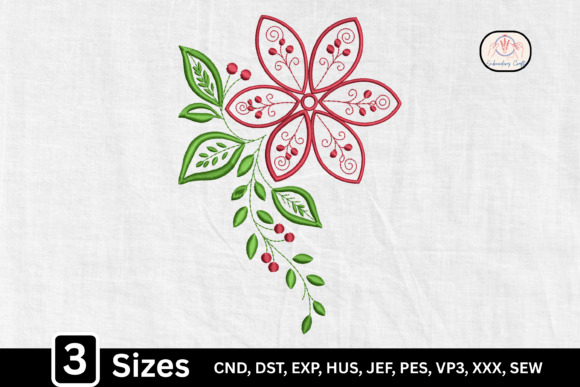
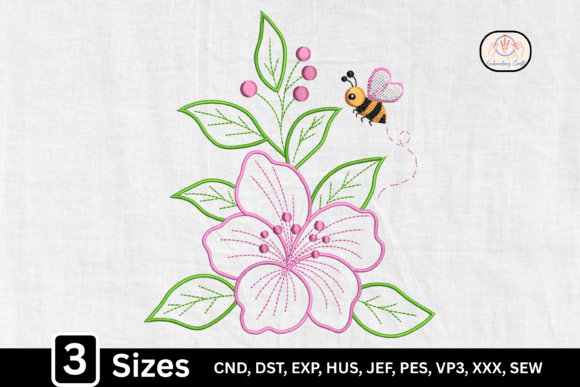
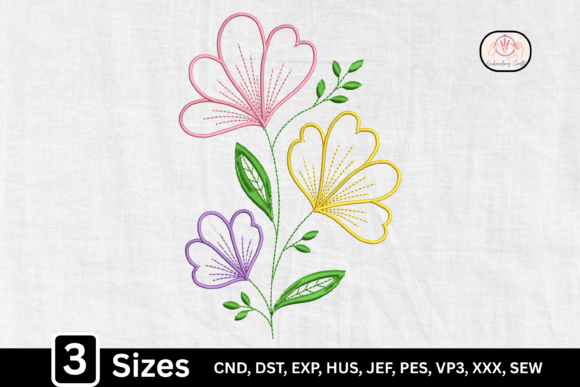
The immediate visual impact of the Whimsical Line Art Flower is one of soft elegance. Unlike traditional botanical designs that rely on heavy satin stitch fills or complex shading, this design leans into the trending aesthetic of continuous line art. The heart-shaped petals suggest a romantic, gentle vibe without being overly cutesy or juvenile. For a craft fair product, this balance is crucial. It appeals to the modern farmhouse crowd, the cottagecore enthusiast, and the minimalist buyer simultaneously.
From a designer’s perspective, line art styles are deceptively simple. They require confident stitching because there is nowhere to hide errors. However, when executed correctly, they offer a premium, airy feel that heavy designs cannot match. This particular floral motif feels decorative yet restrained, making it an excellent candidate for products where the fabric texture needs to remain visible. It does not scream for attention but rather invites the customer to lean in for a closer look, which is exactly the kind of engagement we want at a market table.
Top Performing Products for Market Sales
When stocking a booth or updating an Etsy shop, I categorize designs by their best application. The Whimsical Line Art Flower shines brightest on items where drape and fabric hand-feel matter. Here is my assessment of its performance across key categories:
- Tote Bag Design: This is arguably the strongest application. Canvas totes are a staple handmade product. The open nature of line art prevents the bag from becoming stiff or board-like. A centered chest placement or a lower-corner accent creates a sophisticated accessory that sells well as a reusable market bag.
- Tea Towel Embroidery: Flour sack towels and linen tea towels benefit immensely from low-density designs. Heavy florals can make towels absorb less water and take forever to dry. This whimsical flower maintains the towel's functionality while adding high perceived value. It photographs beautifully for online listings because the contrast between the delicate thread and the textured linen is visually striking.
- Apron Embroidery: For boutique makers, aprons are high-ticket items. Placing this design over the heart area or on a bib strap adds a personalized, custom touch. Because the design is likely lighter in stitch count, it reduces production time per unit, improving profit margins during batch production.
- Fabric Pouches and Pillow Covers: These giftable items allow for larger hoop sizes. The flowing lines of the heart petals can be scaled up effectively without looking pixelated or jagged, provided the original embroidery file was digitized with scalable vectors or redigitized properly for larger formats.
Production Practicality and Batch Efficiency
For Etsy sellers and small shop owners, time is money. One of the primary reasons I recommend testing the Whimsical Line Art Flower for commercial use is its potential for efficient batch production. Line art designs typically have fewer trims and color changes than filled florals. This means less machine intervention and faster turnaround times.
However, "fast" should never mean "careless." When reviewing this design for my own production line, I assess the pathing. Does the needle travel logically from stem to petal? Poor pathing results in excessive jump stitches that must be trimmed manually, negating any speed advantage. Assuming the digitizing is clean, this style allows for multi-hooping setups where you might embroider four tea towels or six pouches in a single run. This repeatability is essential for maintaining consistent stock levels leading up to a holiday market or seasonal rush.
Furthermore, this design serves as an excellent anchor for branding. Its neutral, whimsical style allows it to pair well with various fonts. You can easily add a monogram, a business name, or a short quote below the flower without the composition feeling cluttered. This adaptability makes it a versatile asset in your library of design assets.
Critical Use Notes: Avoiding Common Pitfalls
While the Whimsical Line Art Flower is versatile, it is not immune to technical challenges. As a professional, I must highlight areas where caution is required to ensure the finished product meets quality standards:
- Fabric Texture and Stability: Line art demands smooth surfaces. On highly textured terry cloth or waffle weave, thin running stitches can get lost in the pile. Always use a water-soluble topping to keep the stitches visible and crisp. Without it, the delicate heart petals may disappear into the fabric grain.
- Stitch Density and Registration: Check the spacing between parallel lines. If the lines are too close together on lightweight fabrics like voile or quilting cotton, the fabric may pucker or tunnel. Conversely, if the design is resized too small, the heart shapes may merge. Always verify the minimum size recommendations in the digital embroidery file details before committing to a production run.
- Curved Surfaces: Be wary of using large line art designs on structured caps. The curvature of a hat can distort straight lines and circles, making the flower look warped. This design is better suited for flat goods or unstructured, soft caps.
- Thread Contrast: Line art relies entirely on contrast. White thread on cream fabric will vanish. Test thread colors against your base material under natural lighting conditions. Variegated threads can sometimes muddy the definition of line work; solid, matte-finish rayon or polyester often provides the cleanest read for this specific aesthetic.
Designer’s Checklist Before Selling
Before listing any item featuring the Whimsical Line Art Flower or setting up your booth display, run through this practical checklist. These steps separate hobbyists from professional commercial embroidery businesses:
- Verify Licensing: Confirm that the embroidery file includes commercial licensing for finished products. Never assume a purchase grants resale rights.
- Test on Scrap Fabric: Do not test on your final product. Hoop a scrap of the exact material and stabilizer combination you intend to use. Inspect the back for bobbin tension issues and the front for registration alignment.
- Confirm Hoop Size Compatibility: Ensure the design fits comfortably within your machine’s maximum sewing field with adequate margin for the presser foot. Pushing the limits of your hoop size can lead to frame strikes and ruined merchandise.
- Create Real Mockups: While digital mockups are useful for listings, create at least one physical sample for photography. Customers trust what they can see stitched out. Use this sample to test washability and wear resistance.
- Check Stitch Count: Review the technical specs. If the stitch count seems unusually high for a line art design, investigate why. Excessive density in a line art file usually indicates poor digitizing that will result in a stiff, bulletproof patch rather than a soft embellishment.
Enhancing Booth Appeal and Buyer Engagement
In a crowded market hall, visual hierarchy dictates sales. The Whimsical Line Art Flower contributes to a cohesive booth aesthetic when used strategically. Because it falls under the Single Flowers Plants category, it pairs naturally with other botanical elements, creating a themed collection rather than a disjointed assortment.
I recommend displaying this design on varying substrates to show its range. Hang an embroidered apron next to a stacked set of tea towels and a basket of tote bags. This cross-merchandising helps customers visualize the design in their own lives. The softness of the line art acts as a visual palate cleanser amidst busier, more colorful inventory. It signals to the buyer that your brand understands current trends and values quality craftsmanship over mass-produced density.
Ultimately, the success of the Whimsical Line Art Flower lies in its execution. It is a design that rewards patience and precision. By respecting the technical requirements of line art and applying it to products that enhance its delicate nature, you transform a simple embroidery file into a signature piece for your handmade business. Whether you are selling digital files or physical goods, this floral motif offers the perfect blend of artistic expression and commercial viability for the modern maker.