Cottagecore Mushrooms Unicorn: A Stitch Test Review
As a professional embroidery designer who has digitized and tested thousands of files, I approach every new machine embroidery design with a critical eye. It is not enough for a graphic to look beautiful on a screen; it must translate into thread without puckering, breaking needles, or losing its charm on fabric. When I first loaded the Cottagecore Mushrooms Unicorn file into my software, I was looking for more than just whimsy. I needed to know if this embroidery file could withstand the rigors of commercial production while maintaining the delicate aesthetic required for the fairy tale genre.
This review breaks down my practical experience testing this design for real-world applications, specifically focusing on how it performs when moving from digital preview to a tangible handmade product. Whether you are an Etsy seller planning your next seasonal drop or a hobbyist making a personalized gift, understanding the technical behavior of this woodland fantasy motif is essential for success.
First Impressions and Visual Hierarchy
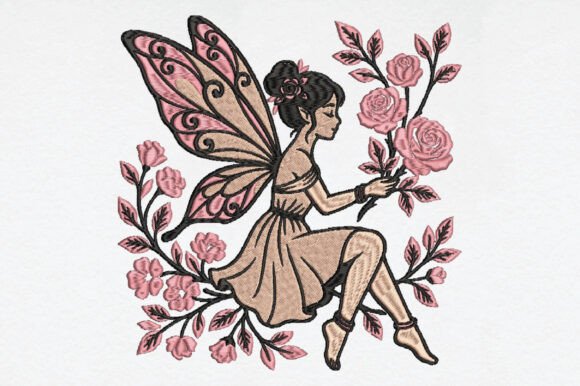
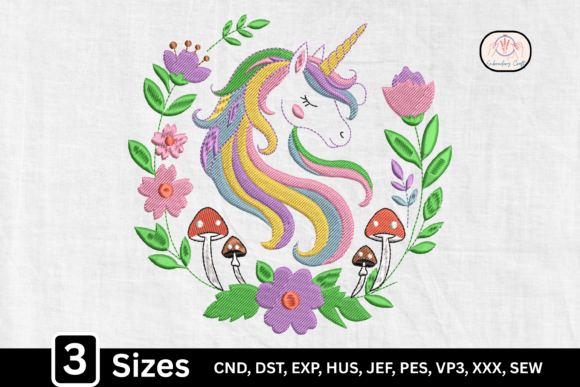
The immediate appeal of Cottagecore Mushrooms Unicorn lies in its balanced composition. In the Fairy Tales category, designs often suffer from being either too sparse or excessively dense. This design strikes a functional middle ground. The integration of floral elements with the unicorn silhouette creates a natural frame that guides the eye, which is crucial when stitching on textured fabrics where fine details can get lost.
From a digitizing perspective, the transition between the organic mushroom shapes and the structured unicorn form appears smooth. The use of varying stitch types—likely combining satin stitch for outlines and fill stitch for body shading—suggests the digitizer considered how light reflects off different thread textures. This variation is vital for creating depth in a flat medium. For a craft business owner, this visual complexity adds perceived value to the finished product without requiring excessive thread changes that slow down production time.
Real-World Application: The Custom Tote Bag Test
To truly evaluate this design, I stitched it out on a 12oz natural cotton canvas tote bag. Canvas is a common substrate for tote bag design projects, but its uneven weave can be unforgiving. My goal was to see if the Cottagecore Mushrooms Unicorn maintained registration when subjected to the pull of the fabric grain.
The results were promising for commercial embroidery use. The design’s center-out sequencing helped minimize distortion, a common issue with large woodland motifs. However, because canvas has significant texture, the finer running stitches used for floral accents required a slightly heavier weight thread or a double pass to remain visible. If you are producing these for sale, I recommend using a high-quality tear-away stabilizer backed with a fusible mesh to prevent the design from sinking into the canvas weave. This extra step ensures the magical forest theme remains crisp and legible, reinforcing customer trust in your brand's quality.
Fabric Compatibility and Stabilization Strategy
While the design performed well on canvas, its versatility across other substrates requires careful consideration. Not all fabrics interact with stitch density in the same way. Here is my assessment of where Cottagecore Mushrooms Unicorn shines and where caution is needed:
- Sweatshirt Embroidery: Fleece and french terry are ideal for this aesthetic. The loft of the fabric complements the soft, fantasy theme. Use a cut-away stabilizer to support the weight of the design and prevent tunneling around the satin borders.
- Baby Embroidery: If adapting this for onesies or bibs, verify the physical dimensions. Large fill areas can make lightweight knits stiff and uncomfortable against sensitive skin. Consider reducing the size or using a lighter density setting if your machine allows editing.
- Dark Fabrics: The intricate details of mushrooms and florals rely heavily on contrast. On dark backgrounds, ensure your thread colors are vibrant enough to pop. Pastel threads may disappear on navy or black fabric unless outlined with a lighter tone.
- Stretchy Knits: Avoid hooping stretch fabrics directly if possible. Float the garment with adhesive spray and water-soluble topping to prevent the hoop marks from distorting the unicorn’s proportions.
Technical Considerations for Small Business Owners
For those selling digital embroidery files or finished goods, consistency is key. Before listing items featuring Cottagecore Mushrooms Unicorn, conduct a thorough audit of your output. Check the hoop size requirements carefully; forcing a design into a smaller hoop by shrinking it can compromise stitch integrity, causing gaps in coverage or thread breaks.
I also advise testing the design in grayscale or black and white before committing to full-color production runs. This reveals whether the design relies solely on color differentiation or if the underlying stitch structure provides sufficient definition. A strong embroidery project should be recognizable even without color. This test is particularly useful for creating accurate printable mockups for your online listings, ensuring customers know exactly what to expect.
Licensing and Commercial Viability
A critical aspect of reviewing any design assets is understanding usage rights. Always confirm the specific license terms associated with this file before integrating it into your shop inventory. Some licenses permit unlimited sales of physical custom apparel but restrict the resale of the digital file itself or limit the number of end products. Clarifying this protects your business from legal issues and maintains professional integrity within the maker community.
Optimizing for Customer Engagement
The Cottagecore Mushrooms Unicorn design taps into a specific emotional niche. When marketing items featuring this motif, lean into the storytelling aspect. Customers buying holiday embroidery or nursery decor are purchasing a feeling as much as a product. Highlight the tactile nature of the embroidery in your photography. Close-up shots showing the sheen of the rayon or polyester threads against the matte fabric help convey the premium nature of Embroidery as an art form.
Furthermore, consider how this design pairs with other assets in your collection. Does it coordinate with existing woodland or fairy tale designs? Creating cohesive bundles increases average order value and encourages repeat business. As an Etsy seller or boutique owner, curating collections that share a similar stitch style and density builds a recognizable brand identity that sets you apart from generic marketplaces.
Final Designer Verdict
Cottagecore Mushrooms Unicorn is a robust and charming addition to any embroiderer's library, provided it is treated with respect for technical limitations. It offers excellent potential for small shop products ranging from apparel to home decor. Its success ultimately depends on your willingness to test, stabilize correctly, and match the design to appropriate fabrics.
Remember that no digital embroidery file is universally perfect. Variables like machine tension, needle type, and environmental humidity affect outcomes. Always run a test stitch-out on scrap material identical to your final project substrate. Inspect the back of the embroidery for bobbin thread show-through and check the front for registration alignment. By applying these professional standards, you transform a simple digital file into a high-value, sellable asset that delights customers and showcases your craftsmanship.