Cute Fairy: A Design Review for Business Merch
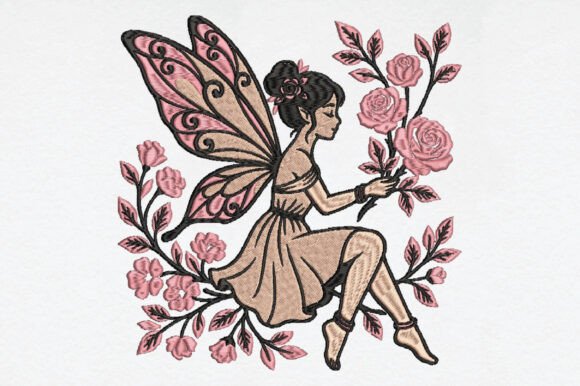
As an embroidery designer who specializes in commercial branding and small business merchandise, I approach every new artwork with a critical eye. When evaluating the Cute Fairy machine embroidery design, my first assessment goes beyond simple aesthetics. While this piece falls under the Fairy Tales category, its application extends far into modern retail, boutique branding, and custom apparel. The description highlights a delicate fairy girl with elegant wings surrounded by blooming roses and leafy branches in a soft, whimsical style. From a production standpoint, this combination of organic floral elements and character art presents unique opportunities and specific technical challenges for business owners looking to create professional embroidered patches or branded goods.
Visual Personality and Brand Alignment
The immediate impression of Cute Fairy is one of approachable elegance. For a small business, this balance is crucial. It does not feel overly juvenile, which allows it to function as a legitimate brand asset rather than just a decorative novelty. The "soft, whimsical style" mentioned in the product details suggests satin stitches and smooth fills rather than harsh, blocky outlines. This visual softness translates exceptionally well for businesses that rely on trust and warmth, such as florists, bakeries, pet brands, and handmade skincare lines.
When reviewing this design for brand identity, I look for versatility. The inclusion of leafy branches and roses provides a natural frame that can anchor the design on various garments. Unlike standalone character designs that can look lost on a large tote bag or apron, the botanical elements in Cute Fairy give it weight and presence. This makes it suitable for creative studios or Etsy sellers who want their merchandise to reflect a cohesive, nature-inspired aesthetic. However, because the style is inherently delicate, it may not be the best fit for industrial workwear or high-visibility safety gear where bold, high-contrast graphics are required for visibility.
Commercial Applications and Merchandise Strategy
For small business merch, Cute Fairy offers several viable applications. As an embroidered patch, the intricate wings and roses allow for rich texture that customers love to touch. Patches are excellent add-ons for denim jackets, canvas bags, or hats sold at craft fairs. Because the design features organic shapes, it avoids the rigid geometry that sometimes makes patches look like corporate logos, thereby enhancing the perceived value of a handmade product.
In terms of custom apparel, this design works beautifully as a chest logo accent or sleeve detail. For a café or boutique, placing Cute Fairy over the heart on a staff polo creates a friendly uniform that feels curated rather than generic. Apron embroidery is another strong use case; the verticality of the leafy branches can complement the long lines of a bib apron. For tote bag design, the artwork serves as a central focal point that communicates a love for nature and craftsmanship. Business owners can also utilize this digital embroidery file for customer gifts, such as embroidered handkerchiefs or jar cozies, which reinforce brand loyalty through tangible, high-quality items.
Technical Considerations for Production
While the artistic merit of Cute Fairy is clear, successful commercial embroidery requires strict technical oversight. The primary concern with any design featuring "delicate" elements and "elegant wings" is stitch density. Detailed wings often require high stitch counts to achieve definition. If you plan to use this for cap embroidery, you must verify that the digitizing accommodates the curved surface of a hat front. Dense floral clusters combined with wing details can cause puckering on structured caps if not properly compensated.
Fabric texture plays a massive role in how this design performs. On smooth cotton twill or poplin, the fine details of the fairy’s face and rose petals will remain crisp. However, on textured fabrics like linen or terry cloth, those delicate details risk getting lost. For aprons made of heavy canvas or denim, you may need to adjust the underlay or increase the column width of the leafy branches to ensure they stand out against the coarse weave. Always confirm the hoop size requirements before purchasing the embroidery file. A design with sprawling branches might require a larger hoop than standard 4x4 machines can accommodate, which could limit your production speed if you have to re-hoop frequently.
Washability is another factor for uniforms and daily-use items. Intricate floral designs with many color changes can be prone to snagging if the top thread tension isn't perfect. For businesses where staff uniforms undergo frequent industrial laundering, test the design on a scrap garment first. Ensure the stabilizer choice matches the fabric weight to prevent distortion over time. If the design includes tiny lettering or facial features, these are the first areas to fail in harsh wash cycles. In such cases, consider using Cute Fairy primarily for outerwear, accessories, or low-wash items like tote bags and decorative patches.
Designer Notes for Professional Results
To ensure Cute Fairy meets professional standards for your business, follow these practical steps before full production:
- Test in Black and White: Before running full-color samples, stitch a grayscale version. This reveals whether the design relies too heavily on color contrast or if the underlying structure holds up on its own. Good digitizing should read clearly even without color variation.
- Verify Small Patch Viability: If creating 2-inch or 3-inch patches, check if the wing and rose details simplify gracefully. You cannot shrink a complex design indefinitely without losing clarity. Request a specific small-size version of the digital embroidery file if necessary.
- Check Thread Color Contrast: The "soft" style implies pastel or muted tones. Ensure these colors have enough contrast against your chosen merchandise background. A pale pink fairy on a white shirt may vanish in photos. Test thread colors against your actual product blanks.
- Create Printable Mockups: Before stitching inventory, use software to generate a printable mockup. Place Cute Fairy beside your existing logo and other design assets to confirm visual consistency. Share this with clients or stakeholders for approval to avoid costly re-stitching.
- Confirm Commercial Licensing: Never assume a Fairy Tales category design is cleared for business use. Verify the license terms specifically allow for selling finished products or branded merchandise. Protect your business by ensuring your design assets are legally compliant.
- Inspect Spacing and Registration: Run a test sew-out to check alignment between the fairy, wings, and roses. Misregistration in multi-color designs looks unprofessional. Adjust needle bar sequencing or add alignment marks if your machine supports them.
Enhancing Customer Trust Through Quality
Ultimately, the decision to use Cute Fairy for your business comes down to execution. A well-stitched, properly stabilized design elevates the perceived value of your merchandise. Customers associate clean embroidery with attention to detail and quality care. Whether used on a boutique shopping bag or a florist’s apron, this design communicates a sense of artistry that printed graphics often lack.
By treating Cute Fairy as a professional asset rather than just a cute picture, you leverage its full potential. Pay attention to the interplay of stitch density, fabric choice, and brand alignment. When executed correctly, this machine embroidery design becomes more than decoration; it becomes a recognizable symbol of your business’s commitment to beauty and craftsmanship. Always prioritize testing and verification to ensure that the final product reflects the premium quality your customers expect from your brand.