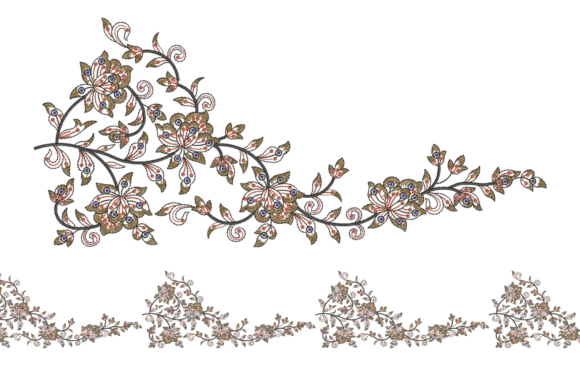
Floral Cross Embroidery Design: A Business Review
As a professional embroidery designer specializing in commercial merchandise and branded assets, I approach every new machine embroidery design with a critical eye toward production viability. When evaluating the Floral Cross Embroidery Design for small business applications, my primary focus shifts from pure aesthetics to functional durability and brand alignment. This design, described as an elegant wooden cross adorned with delicate flowers and draped fabric, presents unique opportunities and challenges for businesses in the Religion Faith category. For shop owners, Etsy sellers, and apparel decorators, understanding how this specific artwork translates into a tangible finished product is essential for maintaining quality standards and customer satisfaction.
Visual Personality and Professional First Impressions
The first impression of the Floral Cross Embroidery Design is undeniably elegant and traditional. The combination of a wooden texture with organic floral elements suggests a rustic yet refined aesthetic. For a small business, this visual language communicates warmth, heritage, and sincerity. Unlike bold, modern logos that rely on high contrast and simple geometry, this design leans into the intricate nature of Embroidery as an art form. It feels handmade and premium, which is a significant asset for boutiques, florists, or faith-based organizations looking to convey trust and community values.
However, from a digitizing perspective, "delicate" and "draped fabric" are keywords that require scrutiny. In a commercial setting, elegance must not come at the cost of clarity. The design strikes a balance between decorative beauty and symbolic recognition. It avoids being overly cartoonish, making it suitable for adult demographics and serious religious observances, while the floral accents prevent it from appearing too stark or austere for lifestyle merchandise. This duality makes it a versatile candidate for businesses that want their brand identity to feel both spiritual and welcoming.
Commercial Applications for Small Business Merchandise
When integrating this embroidery file into a product line, versatility is key. Based on the composition of a cross with flowing elements, I see several high-value applications for small business merch. For church gift shops or faith-based non-profits, this design serves as an excellent centerpiece for tote bag designs. The vertical orientation of a cross typically fits well within the natural sightlines of a canvas tote, allowing the draped fabric details to flow naturally without distortion.
For staff uniforms or volunteer apparel, this design works best as a chest logo accent or sleeve detail rather than a full-back print. The intricate nature of the flowers and wood grain implies a level of detail that deserves to be seen up close. In the context of apron embroidery for a bakery or café with a faith-based mission, placing this design on the bib or lower pocket creates a subtle branding moment that enhances the customer experience without overpowering the uniform's function. Additionally, for creators selling on Etsy, this design can be adapted into an embroidered patch. Patches allow customers to customize their own jackets or bags, extending the reach of your brand beyond direct apparel sales.
Production Constraints and Technical Considerations
While the aesthetic potential is high, technical execution requires careful planning. The description mentions "delicate flowers," which often translates to fine satin stitches or running stitch outlines in the digital file. These elements are vulnerable when scaling down. If you intend to use this for cap embroidery, you must verify the minimum size requirements. Curved surfaces like hat fronts can distort detailed floral patterns, potentially causing registration issues where the wood grain meets the flower petals. Always test the design on a curved surface before committing to bulk production.
Stitch density is another critical factor. A design featuring both wood textures and draped fabric likely utilizes varied fill types. On lightweight fabrics or performance wear, high-density areas can cause puckering or needle damage. Conversely, on heavy canvas or denim, low-density floral details might get lost in the fabric texture. As a designer, I advise checking the stabilization requirements meticulously. A cutaway stabilizer is often necessary for designs with complex layering to maintain structural integrity through frequent washing. Furthermore, if your business offers custom apparel on dark garments, ensure the thread colors provide sufficient contrast. Delicate pastel flowers may disappear against navy or black fabric unless outlined or backed with white underlay.
Impact on Brand Value and Customer Engagement
Using a specialized design like the Floral Cross Embroidery Design signals to customers that your business invests in quality design assets. Generic clip-art often lacks the depth required for professional embroidery, resulting in flat, lifeless merchandise. By choosing a design that specifically incorporates texture and flow, you elevate the perceived value of your products. Customers associate detailed embroidery with craftsmanship and longevity, which directly supports higher price points for handmade product lines.
Moreover, consistency builds recognition. If this floral cross becomes a signature element across your packaging, staff wear, and event merchandise, it reinforces your niche within the Religion Faith market. Visual consistency fosters trust; when a customer sees the same high-quality emblem on a volunteer’s shirt and a purchase bag, it validates the professionalism of the organization. For digital sellers, providing a high-quality printable mockup of this design helps buyers visualize the final result, reducing hesitation and increasing conversion rates for your digital embroidery file.
Essential Designer Notes for Safe Implementation
Before loading this file into your machine for a commercial run, adhere to these professional protocols to protect your business reputation:
- Verify Specifications: Since exact stitch counts and hoop sizes are not listed in the product description, you must open the file in your software to confirm it fits your equipment. Never assume compatibility based on thumbnail images.
- Test on Real Fabric: Do not rely solely on screen simulations. Run a sew-out on the actual material you plan to sell. Check if the "draped fabric" effect reads clearly or looks muddy at your intended size.
- Check Licensing: Confirm that the commercial embroidery license permits the specific end-use you have in mind, especially if you plan to sell finished goods versus the digital file itself.
- Evaluate Color Contrast: Print a black-and-white version of the design to check tonal separation. If the wood and flowers blend together in grayscale, they will likely lack definition in similar-colored threads.
- Assess Small Patch Viability: If creating patches, simplify the design if necessary. Remove tiny floral details that cannot be reproduced cleanly at 3 inches or smaller to avoid thread breaks and poor coverage.
- Create Client Mockups: Before stitching for a client, generate a realistic mockup showing the design on the specific garment type. This manages expectations regarding size and placement.
- Review Washability: For items like aprons or work shirts that face harsh laundering, ensure the design does not rely on fragile metallic threads or excessive jump stitches that could unravel over time.
By treating the Floral Cross Embroidery Design as a technical component of your business strategy rather than just a decoration, you ensure that every stitched item reflects the excellence of your brand. Whether used for Easter projects, church décor, or daily retail merchandise, proper evaluation guarantees that the final output honors both the faith it represents and the business that sells it.