Floral Sewing: A Designer Review for Business Merch
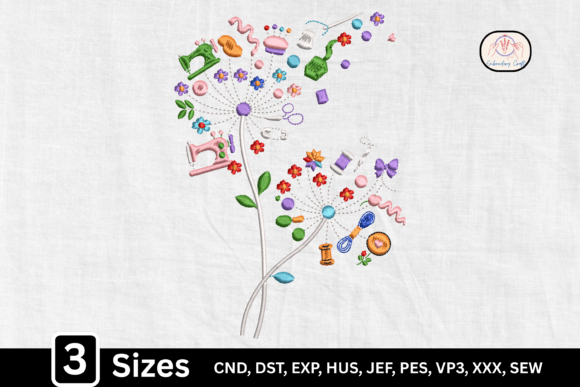
As a professional embroidery designer specializing in commercial branding and merchandise production, I approach every new machine embroidery design with a critical eye. When evaluating the "Floral Sewing" asset, specifically the Vintage Floral Sewing Machine variation, my primary focus is not just aesthetic beauty but functional viability for small business applications. This review dissects how this specific design performs when translated from a digital screen to a tangible finished product intended for sale or brand promotion.
First Impressions: Visual Personality and Brand Alignment
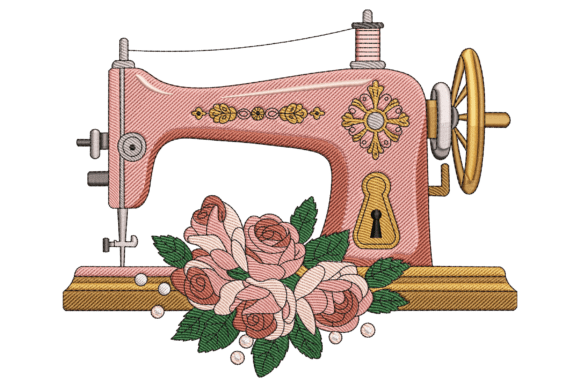
The immediate impression of the Floral Sewing design is one of nostalgic craftsmanship and artisanal quality. Featuring a classic rose-colored palette and vintage motifs, this design communicates warmth, tradition, and attention to detail. For businesses in the Sewing Crafts sector, boutique retail, floristry, or handmade goods, this visual language is powerful. It signals to the customer that the brand values heritage and manual skill.
However, for a modern café or tech-forward creative studio, the vintage aesthetic must be balanced carefully. The design feels inherently friendly and rustic rather than corporate or sleek. As a branding asset, it excels at building emotional connections. It suggests a handmade product ethos, which can justify premium pricing in Etsy shops and local markets. The rose tones are soft yet distinct, offering excellent visibility without the harshness of neon or high-contrast primary colors often found in generic commercial art.
Commercial Applications: From Aprons to Tote Bags
In real-world commercial embroidery scenarios, versatility is key. I have evaluated Floral Sewing across several common business use cases to determine where it adds the most value.
Staff Uniforms and Apron Embroidery
For bakeries, florists, and craft studios, apron embroidery serves as both uniform and advertisement. The Floral Sewing design works exceptionally well as a chest logo accent or a pocket detail on canvas aprons. The vintage floral elements complement the utilitarian nature of workwear, softening the industrial look while reinforcing the business's niche. Because aprons are typically made of sturdy cotton or canvas twill, they provide an ideal foundation for the detailed stitch work inherent in this design.
Tote Bag Design and Customer Gifts
Reusable tote bags are staple small business merch. This design translates beautifully to unbleached cotton or natural linen totes. The organic lines of the floral sewing machine motif align perfectly with eco-friendly branding. When used as a thank-you gift or a paid add-on, the intricate nature of the Embroidery elevates the perceived value of the bag far beyond standard screen printing. Customers are more likely to reuse and display a bag featuring high-quality needlework, extending your brand reach organically.
Custom Patches and Cap Embroidery
Creating an embroidered patch version of Floral Sewing allows for modular branding. Patches can be applied to denim jackets, beanies, or backpacks. However, cap embroidery requires caution. While the design is stunning on flat surfaces, the curved front panel of a structured cap can distort intricate vintage details. If using this for headwear, I recommend testing a simplified version or ensuring the design fits entirely within the safe zone of the cap frame to prevent registration issues.
Technical Considerations and Production Risks
A beautiful image does not always equal a runnable embroidery file. When preparing Floral Sewing for production, several technical factors demand attention to ensure professional results.
- Stitch Density and Fabric Texture: Vintage designs often utilize complex fill stitches to create shading. You must verify the stitch density against your target fabric. On lightweight fabrics, dense floral fills can cause puckering or tearing. Conversely, on heavy textured fabrics like terry cloth or fleece, fine details may get lost. Always match the design weight to the material.
- Hoop Size and Stabilizer: Confirm the exact dimensions of the design against your available hoop size. Never assume a design will fit your machine’s maximum field without checking the specific file metadata. Furthermore, select the appropriate stabilizer. For this type of detailed vintage art, a cut-away stabilizer is generally superior to tear-away to support the stitch load and maintain shape after washing.
- Thread Colors and Contrast: The description mentions classic rose-colored elements. Ensure you have the correct thread colors to match the digitizer's intent. Subtle variegated threads can enhance the vintage feel, but solid polyester or rayon threads offer better durability for staff uniforms. Test contrast on dark versus light fabrics; rose tones may vanish on red or pink backgrounds but pop brilliantly on navy, cream, or sage green.
- Small Patch Sizes: If scaling down Floral Sewing for tiny labels or sleeve cuffs, inspect the minimum text height and gap width. Intricate floral petals can merge into a blob if reduced too aggressively. There is a physical limit to how small satin stitches can render cleanly.
Impact on Brand Identity and Customer Trust
Using a specialized design like Floral Sewing contributes significantly to brand identity. In a saturated market, generic clipart fails to distinguish a business. A cohesive, vintage-inspired embroidery theme creates visual consistency across all touchpoints—from packaging accents to staff apparel. This consistency builds recognition.
Moreover, high-quality embroidery signals professionalism. When a customer receives a custom apparel item or a branded accessory with crisp, clean stitching, it reinforces trust in the business's overall quality standards. Sloppy embroidery implies sloppy business practices. By validating the integrity of the Floral Sewing design before mass production, you protect your reputation. The "art of creation" theme resonates deeply with buyers looking for authentic, human-centric brands, directly influencing buyer engagement and loyalty.
Designer Notes: Pre-Production Checklist
Before running a full production batch of digital embroidery file assets, adhere to this professional workflow:
- Verify Licensing: Before selling any merchandise featuring Floral Sewing, confirm the commercial licensing terms. Some files are for personal use only. Ensure you have the right to use the design for small business merch and profit generation.
- Create a Printable Mockup: Use software to generate a printable mockup for client approval or internal review. Seeing the design superimposed on a photo of the actual garment helps visualize scale and placement better than viewing the file in isolation.
- Test in Black and White: Run a test stitch-out using only black thread on white fabric. This removes color distraction and reveals the true structure of the digitizing. Look for gaps, overlapping issues, or excessive jump stitches that need trimming.
- Wash Test: If this is for uniforms or frequently used tote bags, wash and dry the sample three times. Vintage-style fills can sometimes pull or distort after laundering if not properly underlaid. Validate durability before committing to inventory.
- Compare Design Assets: Place Floral Sewing beside your existing logo and other design assets. Does it clash? Is the style consistent? Your embroidery should feel like part of a unified family of brand visuals, not an isolated decoration.
The Floral Sewing design offers immense potential for businesses rooted in creativity and craftsmanship. Its vintage charm and thematic relevance make it a strong contender for aprons, totes, and patches. However, success lies in the execution. By respecting the technical requirements of stitch density, stabilization, and fabric compatibility, and by verifying commercial rights, you can transform this exquisite digital art into profitable, professional-grade merchandise that truly celebrates the art of creation.