Skull Roses: A Designer Review for Business Merch
As an embroidery designer who specializes in commercial branding and merchandise production, I approach every new machine embroidery design with a critical eye toward manufacturability and brand alignment. When evaluating the "Skull Roses" design for small business applications, my primary focus is not just its aesthetic appeal during Halloween, but its viability as a year-round asset for alternative boutiques, tattoo studios, metal bands, gothic florists, and edgy coffee shops. This review breaks down how this specific embroidery file performs when translated from screen to fabric in a professional production environment.
Visual Personality and Brand Alignment
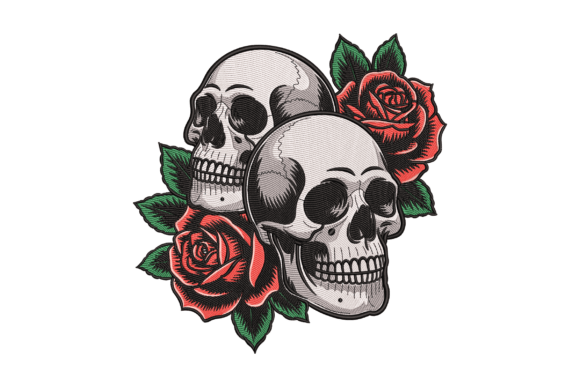
The first impression of Skull Roses is undeniably bold. It strikes a balance between classic Americana traditional tattoo artistry and modern streetwear aesthetics. For a business owner, this visual duality is valuable. It does not read as a cheap costume prop; rather, it feels like a deliberate stylistic choice that communicates authenticity, rebellion, and craftsmanship. In the context of brand identity, this design signals to customers that the business has a distinct personality and isn't afraid to stand out.
However, because the motif combines intricate floral curves with the rigid structure of a skull, the digitizing quality is paramount. A professional execution should show smooth satin stitches on the rose petals and clean running stitch outlines on the bone structure. If the design is too dense, it risks puckering on lightweight fabrics. If it is too sparse, it loses the premium feel necessary for high-end custom apparel. As a reviewer, I look for a digitized file that respects the interplay between positive and negative space, ensuring the roses frame the skull without overwhelming it.
Commercial Applications Beyond Seasonal Decor
While categorized under Halloween, Skull Roses has significant longevity as a staple graphic for niche markets. I have successfully utilized similar motifs for businesses that operate outside the seasonal holiday window. Here is how this design functions across various small business merch categories:
- Embroidered Patches: This is perhaps the strongest application. The contained shape of Skull Roses lends itself perfectly to merrowed edge patches. These can be sold as standalone add-ons at checkout or used as tiered loyalty rewards.
- Apron Embroidery: For baristas, bartenders, or florists, placing this design on the chest or pocket area of a canvas apron creates immediate visual interest. It transforms a utilitarian uniform into a conversation piece.
- Tote Bag Design: On unbleached cotton or black canvas totes, this design provides high contrast. It appeals to the eco-conscious but style-forward demographic often found at craft fairs and maker markets.
- Cap Embroidery: Centered on a structured six-panel cap, Skull Roses works well as a front logo. However, the vertical height must be checked against the cap’s seam allowance to avoid distortion.
- Staff Uniforms: For tattoo shops or piercing studios, this design serves as an excellent sleeve accent or back yoke detail, reinforcing the shop's artistic culture.
Production Considerations and Technical Constraints
Transitioning Skull Roses from a digital concept to a finished product requires careful technical planning. Not all garments are created equal, and this design demands respect for stitch density and substrate compatibility.
Fabric Texture and Stabilizer Selection
The combination of organic rose shapes and hard skull lines means the design has varying pull compensation needs. On textured fabrics like fleece or terry cloth, the fine details of the roses may get lost. I recommend using a heavier cutaway stabilizer for stretchy knits to prevent registration issues between the outline and the fill. For woven fabrics like denim or canvas tote bags, a medium-weight tear-away may suffice, but always test first. If you are embroidering on dark uniforms, ensure the thread colors have enough luminance to pop against the background; muted tones can make the skull look muddy rather than defined.
Sizing and Detail Integrity
One of the most common mistakes in commercial embroidery is resizing a complex design below its minimum threshold. Skull Roses likely contains small shading elements and thin stem lines. Reducing this design to a 2-inch patch size may cause thread breaks or illegible details. Before committing to bulk production, verify the minimum recommended size in the digital embroidery file metadata. If you need a smaller version for a collar tag or tiny pocket logo, you may need a specifically redigitized micro-version rather than simply shrinking the master file.
Strategic Value for Handmade and Retail Brands
Incorporating Skull Roses into your product lineup affects more than just aesthetics; it influences perceived value and customer engagement. For Etsy sellers and independent creators, consistent use of recognizable design assets builds trust. When a customer sees the same high-quality embroidery on your packaging, your staff shirts, and your merchandise, it reinforces professionalism.
Furthermore, this design offers excellent versatility for product bundling. A bakery specializing in dark aesthetics could use Skull Roses on branded bread bags or box stickers (via print) and match them with embroidered staff hats. This cross-media consistency elevates the handmade product experience. It tells the buyer that every touchpoint has been curated. From a sales perspective, items featuring strong, emotive graphics like this often command higher price points than generic text-only logos because they function as wearable art.
Designer Notes for Pre-Production Testing
Before you hoop up your best inventory, follow this professional testing protocol to ensure Skull Roses meets your business standards:
- Verify Licensing: Always confirm the commercial license terms included with the embroidery file. Ensure you are permitted to sell finished goods or use the design for business branding. Never assume rights transfer with purchase.
- Run a Black and White Test: Stitch the design in a single color on white felt. This reveals the underlying structure and highlights any gaps, overlaps, or excessive jump stitches that colored thread might hide.
- Check Hoop Size Compatibility: Confirm the design dimensions fit comfortably within your machine’s maximum sewing field with adequate clearance for the presser foot. Using a hoop that is too tight can cause flagging and misalignment.
- Create a Printable Mockup: Before stitching, place a digital rendering of Skull Roses on photos of your actual products. Share this printable mockup with stakeholders or test audiences to gauge reaction before investing in thread and time.
- Wash Test: If this design is intended for workwear or frequent-use items like aprons, wash and dry the sample three times. Check for thread shrinkage, color bleeding, or stabilizer residue. Durability is non-negotiable for business merchandise.
- Compare Against Existing Assets: Lay the stitched sample next to your current branding materials. Does the style clash? Is the stitch weight consistent with your other logos? Visual cohesion is key to a professional presentation.
Final Verdict for Business Use
Skull Roses is a potent asset for businesses targeting alternative, artistic, or heritage-focused demographics. Its success in apron embroidery, patches, and caps depends entirely on respecting the technical limitations of the medium and the specific requirements of your chosen garment. By treating this design as a component of a larger brand strategy rather than a standalone novelty, you maximize its ROI. Whether you are outfitting a team, launching a new merch line, or rebranding a creative studio, this motif offers the edge and elegance required to make a lasting impression. Just remember: in professional embroidery, the difference between amateur and artisan lies in the testing, the stabilizer, and the attention to detail.